Sandblasting Insurance: The Complete Coverage Guide for Abrasive Blasting Contractors
By Josh Cotner
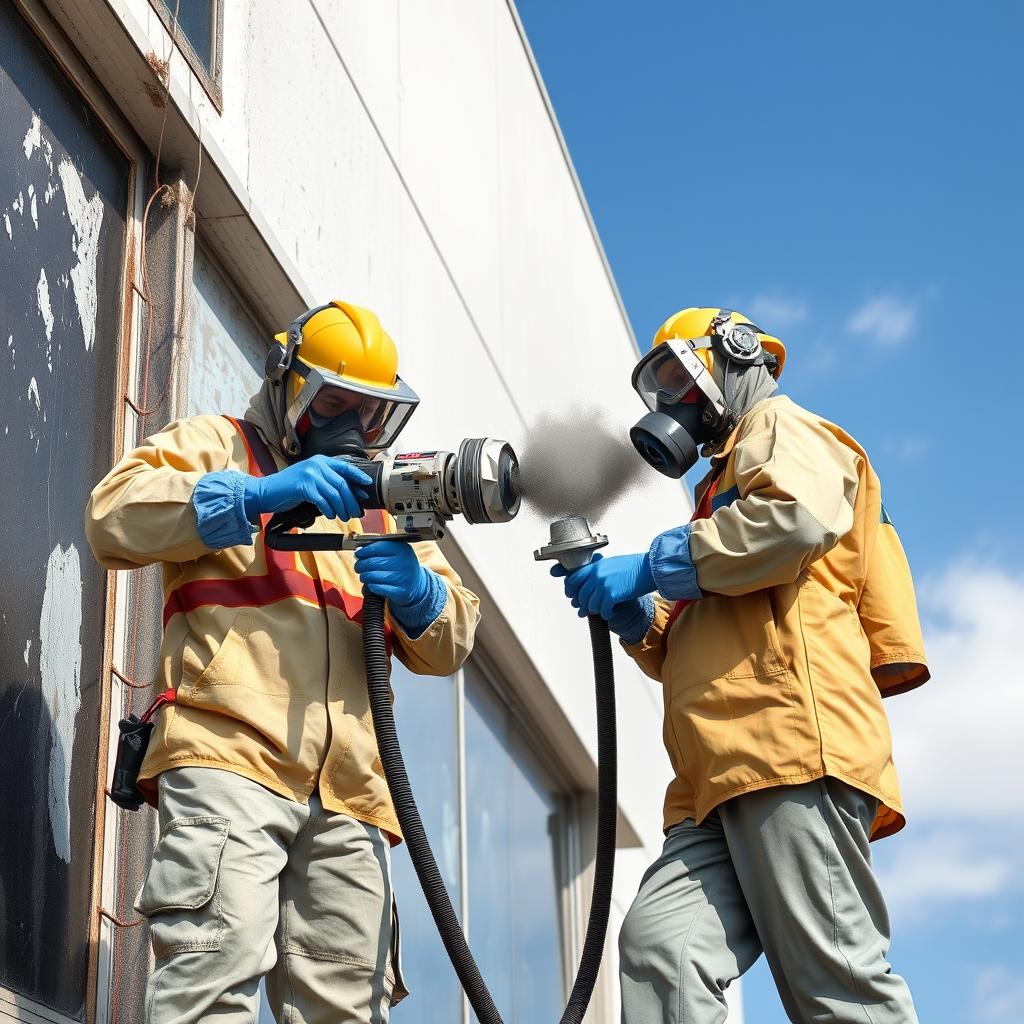
Sandblasting and abrasive blasting is one of the most specialized contractor trades in the insurance market — and one of the most consistently underinsured.
The reason is straightforward: standard general liability policies have broad pollution exclusions, and in sandblasting, the dust and particulate matter that your operation generates is precisely what those exclusions are designed to cover. Silica dust, lead paint particles, abrasive media, and fumes from stripped coatings can all be classified as "pollutants" under GL policy language — which means a serious blasting contamination claim can hit the pollution exclusion and leave you uninsured.
This guide covers what sandblasting contractors actually need and why.
The core insurance program for sandblasting contractors
A properly structured sandblasting insurance program typically includes:
1. General Liability (GL) Your first line of defense — covers bodily injury and property damage claims from your operations. But standard GL has a significant limitation for blasting contractors: the pollution exclusion.
2. Contractor Pollution Liability (CPL) The gap-filler. CPL specifically covers third-party bodily injury and property damage from pollutants released during your blasting operations — silica, lead paint, abrasive media, and airborne contaminants from surface coatings. This is the coverage that fills the hole in your GL.
3. Workers' Compensation Required in most states if you have employees. Sandblasting WC must be placed with the right abrasive blasting class codes — not generic contractor codes that will create audit problems.
4. Tools & Equipment Blast pots, compressors, hoses, and nozzles represent significant investment. T&E covers your equipment against theft and damage at job sites and in storage.
5. Commercial Auto Trucks, trailers, and towed blasting equipment on the road require commercial auto — not personal auto policies, which exclude commercial use.
6. Umbrella/Excess Liability Additional limits above your GL and auto. For industrial and infrastructure blasting where single incidents can generate very large claims, umbrella is worth the cost.
Why the GL pollution exclusion is a sandblasting contractor's biggest risk
Here's how it plays out in practice: A sandblasting crew is working on a tank or structure near a residential area. Blasting media and fine dust escape the containment — it happens even with good containment practices. A neighbor reports lung irritation. They file a claim against your GL policy.
The GL carrier's attorney reads the pollution exclusion. The exclusion says the policy doesn't cover bodily injury or property damage arising from "pollutants" — which are defined to include particulate matter, contaminants, and irritants. Silica dust qualifies. The claim is denied.
Without CPL, you're personally exposed to that claim.
Now repeat this scenario: the claim is filed against your GL policy. The GL carrier denies it under the pollution exclusion. But you also have CPL. The CPL carrier picks up the claim, defends you, and pays covered damages.
That's the difference CPL makes — and it's why every sandblasting contractor needs both, not just one.
Silica: the defining occupational risk in sandblasting
Crystalline silica is found in sand, stone, concrete, and many other materials — and abrasive blasting is one of the highest-risk activities for silica exposure. Silicosis, the lung disease caused by silica dust inhalation, is irreversible and can be fatal.
OSHA has strict silica exposure limits for general industry and construction (the Silica Rule, effective 2018). For sandblasting contractors:
- Engineering controls (wet methods, local exhaust ventilation) are required where feasible
- Respiratory protection must be provided when controls aren't sufficient
- Exposure monitoring may be required depending on the work
- Medical surveillance is required for workers with significant silica exposure
Your WC program needs to be structured for the silica exposure profile of your work — not just classified under a low-rate general labor code.
What sandblasting equipment should be covered
Sandblasting equipment represents significant capital investment that needs protection:
Blast pots (pressure vessels): The primary abrasive blasting vessel — ranging from small portable units to large industrial vessels. These are expensive and impossible to replace quickly.
Air compressors: Large-volume, high-pressure compressors power the blast pots. Industrial compressors can run $20,000 to $100,000+ and are critical to operations.
Blasting hoses and nozzles: Tungsten carbide and ceramic nozzles wear quickly in use and need regular replacement. Hose runs can extend hundreds of feet on large projects.
Containment equipment: Blast enclosures, tarps, shrouds, and vacuum systems. Essential for environmental compliance on many projects.
Respirators and PPE: Supplied-air respirators and full PPE for blasting operators. High-value and compliance-critical.
All of this should be inventoried and covered under your tools and equipment policy.
Getting a sandblasting insurance quote
A properly structured sandblasting program — GL + CPL + WC + T&E + commercial auto + umbrella — typically requires a 15-30 minute intake conversation to understand your work type, payroll, states, equipment value, and loss history.
Generic online quotes don't work well for sandblasting because the pollution exposure and WC classification require specialist placement. We work with admitted and surplus lines markets that specifically write abrasive blasting operations.
Call 844-967-5247 or use our quote form to get started.
Need insurance for your sandblasting operation?
Get a real quote in about 15 minutes — GL + CPL + WC from A-rated specialty markets.